

About the journal
About SJAT
A peer-reviewed journal for original research by high school students heading into STEM majors.
Who we are
Research for future STEM majors
The Student Journal of AI and Technology is an online, open-access academic journal that publishes peer-reviewed research and review articles written entirely by high school students who plan to study STEM: computer science, engineering, biology, chemistry, physics, mathematics, and more.
Every paper is read in full by reviewers with graduate degrees, who return written feedback on the question, the method, and how honestly the results are reported. The journal is overseen by our Board of Directors, graduates from leading universities.
Every accepted paper is published open access on its own permanent page, ready to cite and to link from applications and portfolios.
Aims and scope
Nine majors, one map
We organize the journal around the STEM majors our authors are heading into. A paper is in scope if it asks a clear question in a STEM field and answers it with evidence: experiments, measurements, proofs, models, or a systematic reading of the literature. The questions below are examples of the kind we hope to see.
- 01
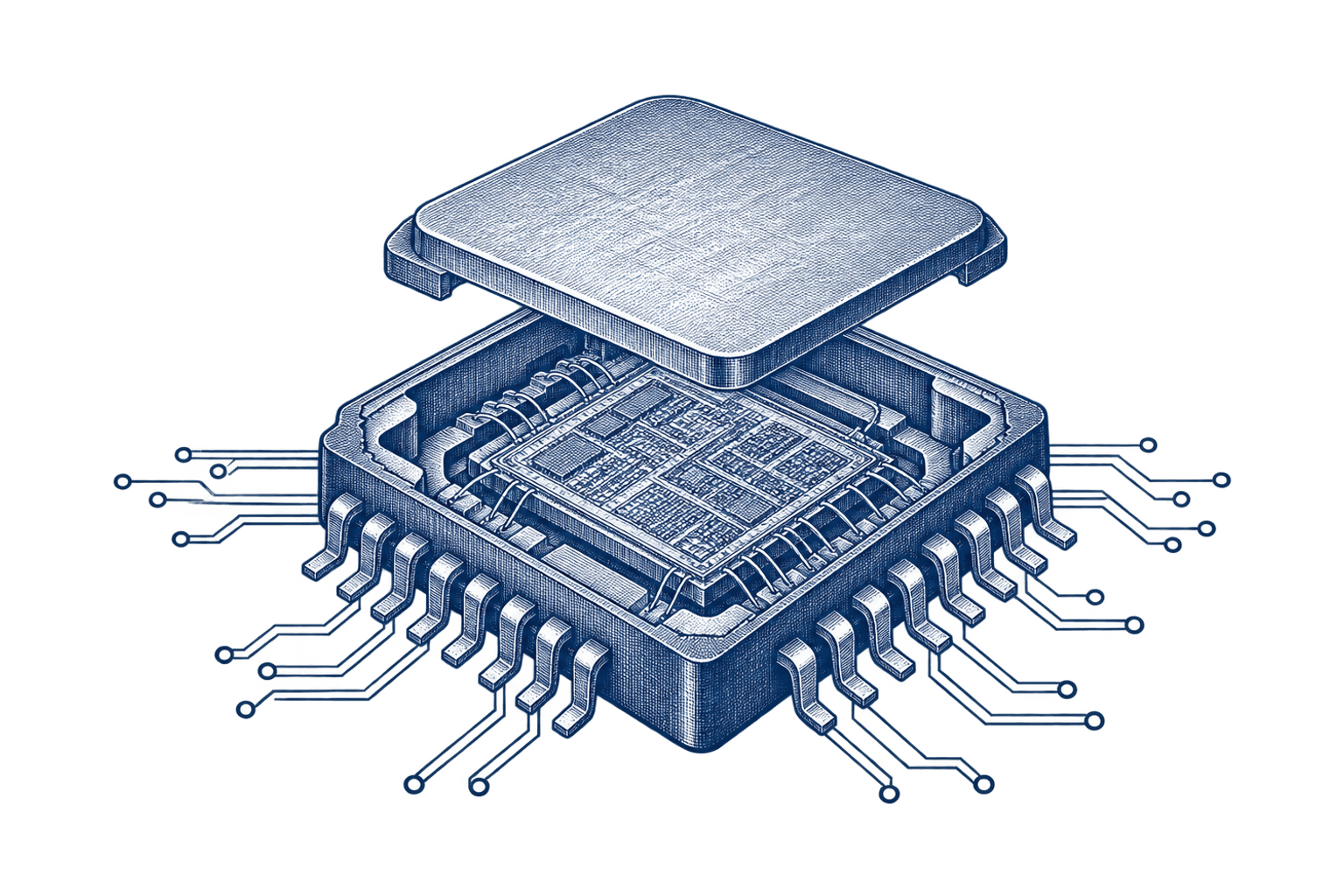
Plate 1 Computer science
Algorithms, software, machine learning, security
Example question: How much does data augmentation help a classifier trained on 500 images?
- 02
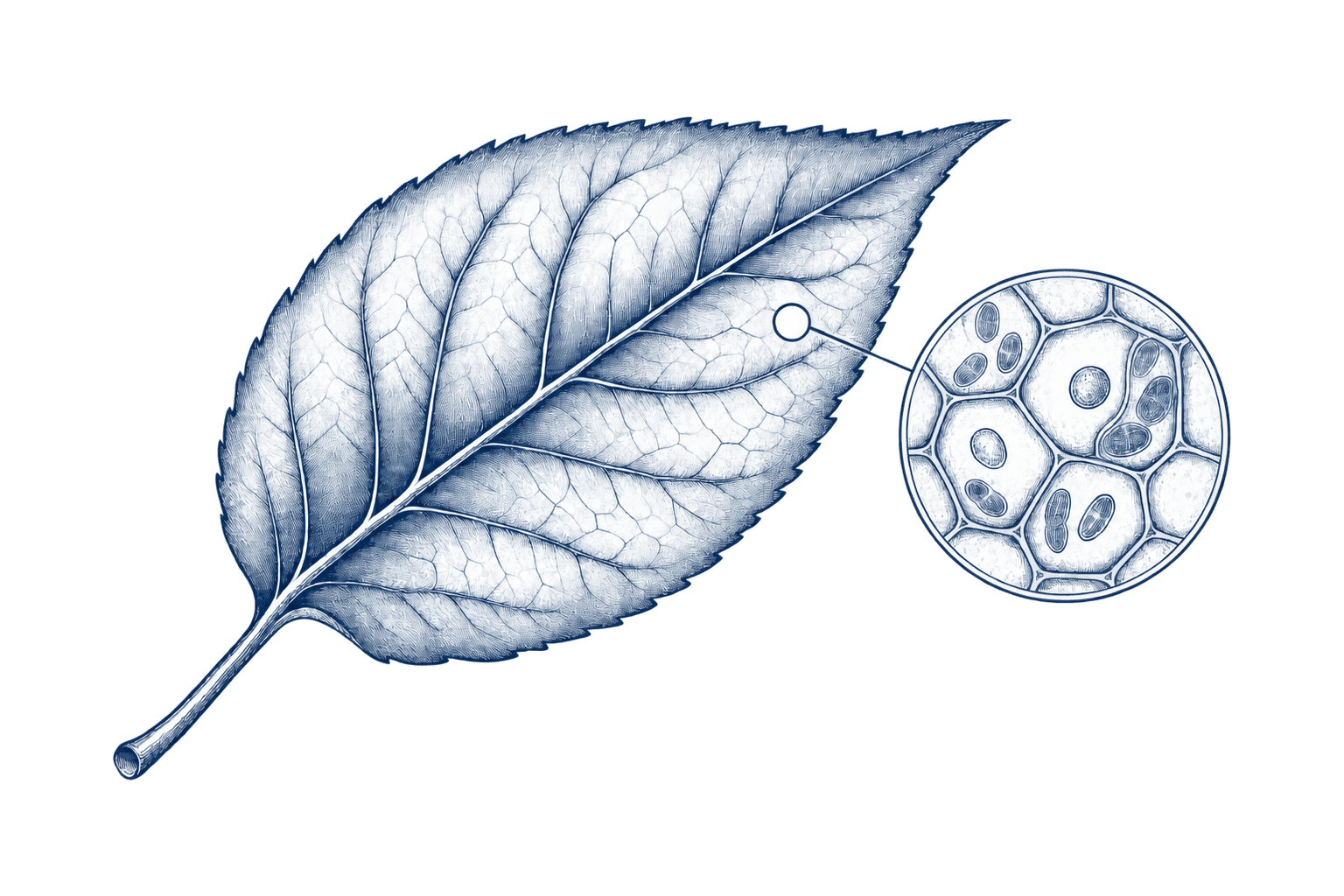
Plate 2 Biology
Molecular and cell biology, genetics, ecology
Example question: Do soil microbes differ between lawns and vegetable gardens?
- 03
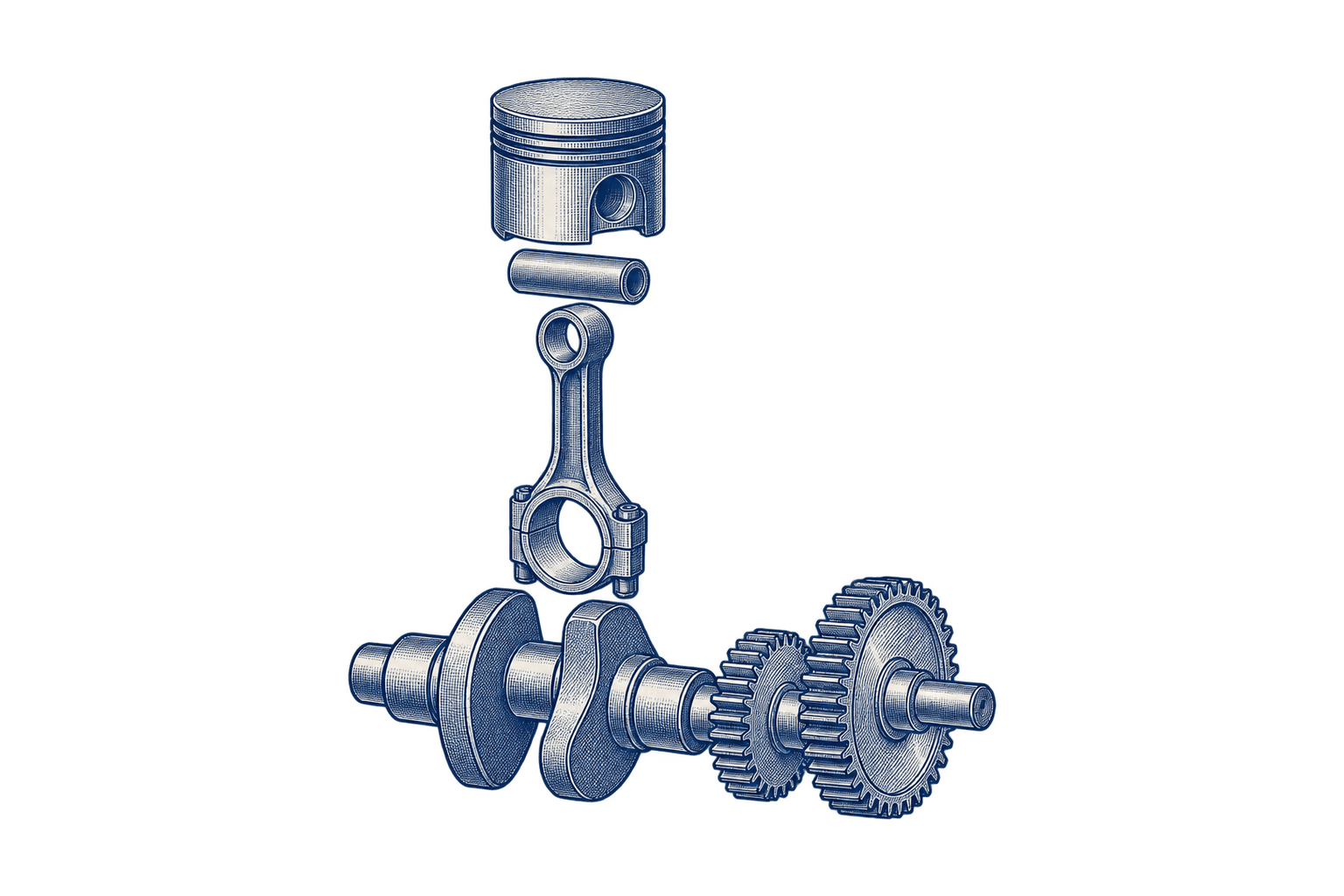
Plate 3 Mechanical engineering
Design, mechanics, thermodynamics, robotics
Example question: Can a 3D-printed gripper handle ripe fruit without bruising it?
- 04
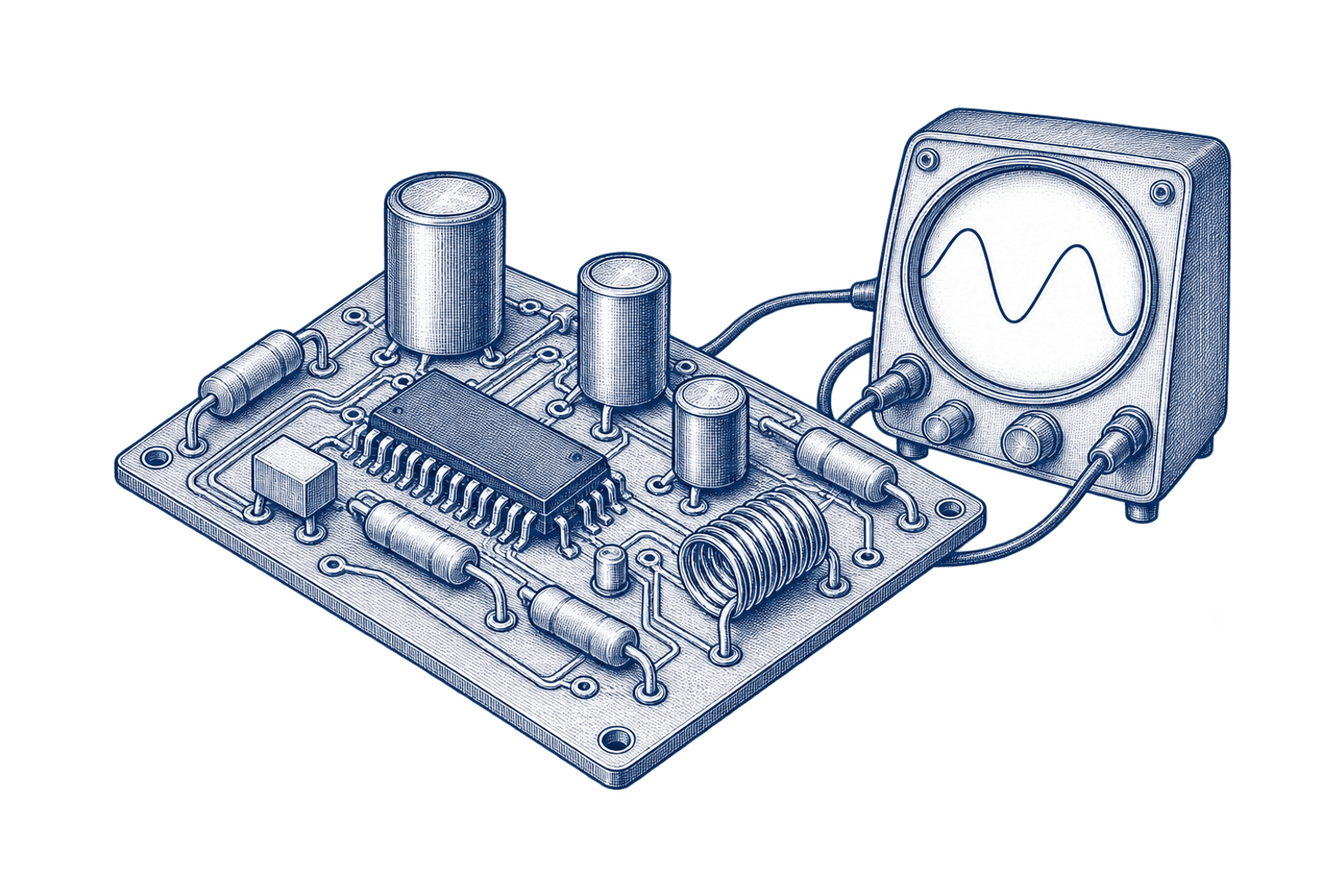
Plate 4 Electrical & computer engineering
Circuits, signals, embedded systems, energy
Example question: How efficient is a low-cost solar charge controller in winter light?
- 05
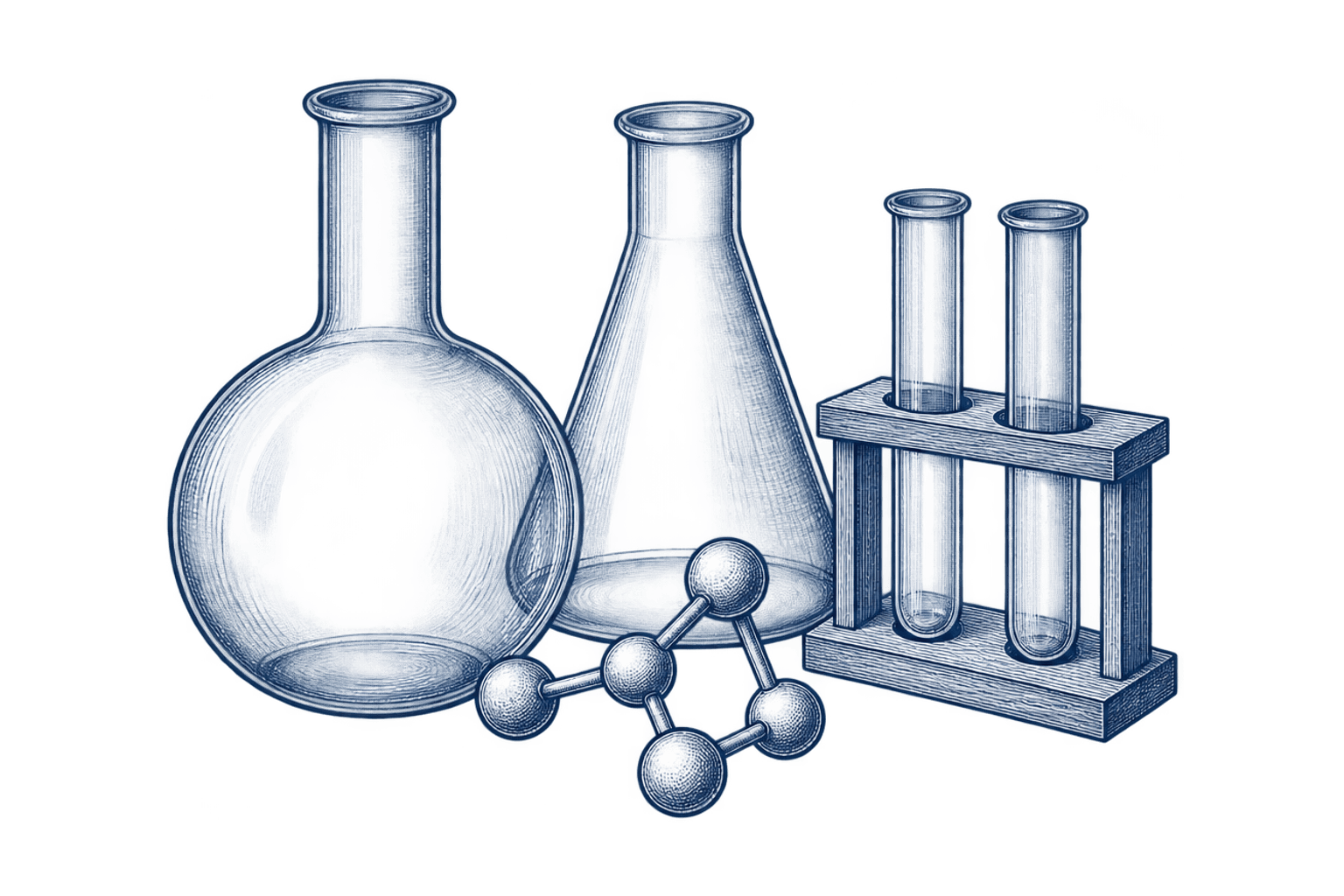
Plate 5 Chemistry
Organic, analytical, materials, environmental
Example question: Which household materials best remove lead from tap water?
- 06
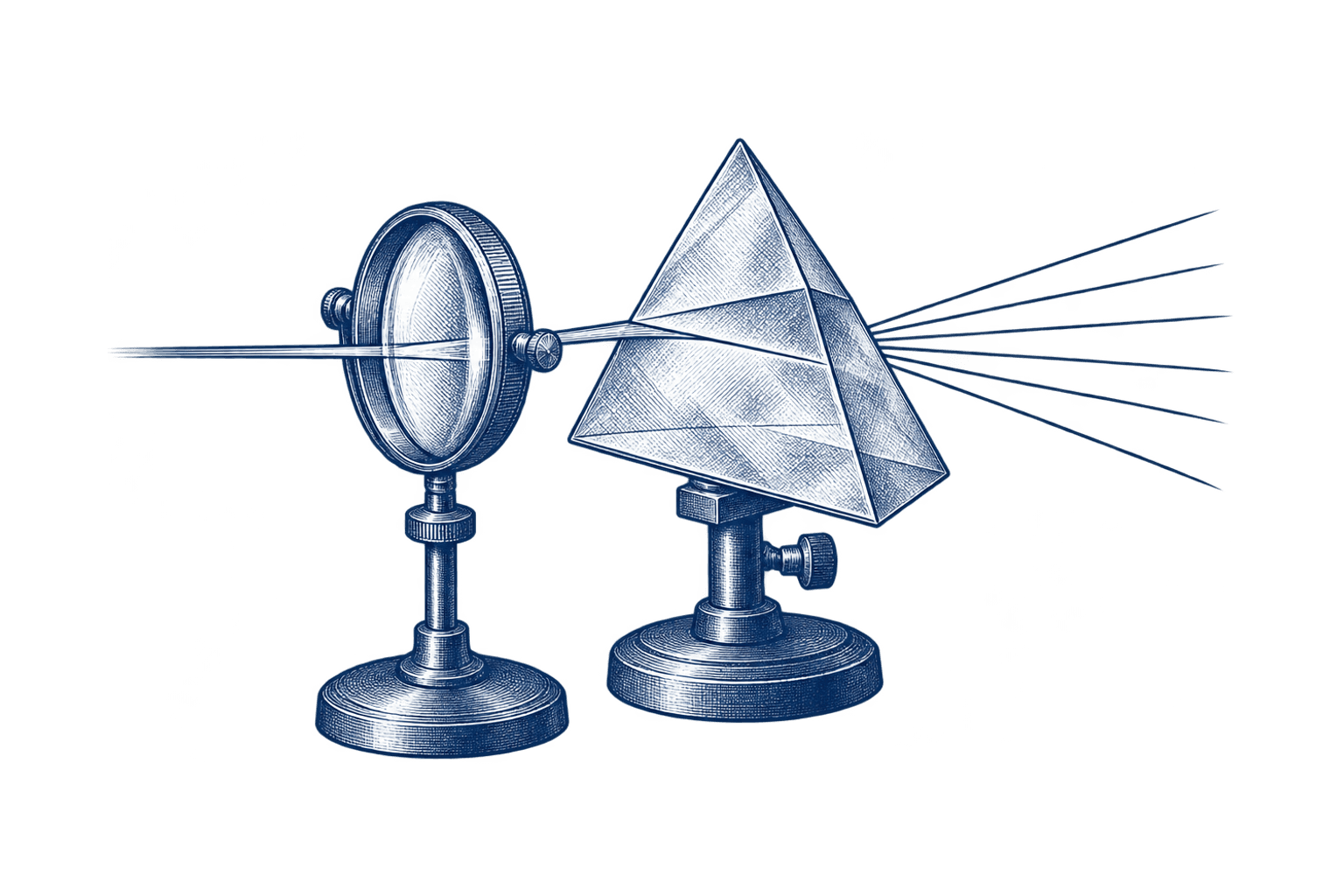
Plate 6 Physics
Mechanics, optics, astrophysics, quantum
Example question: How precisely can a smartphone pendulum measure gravity?
- 07
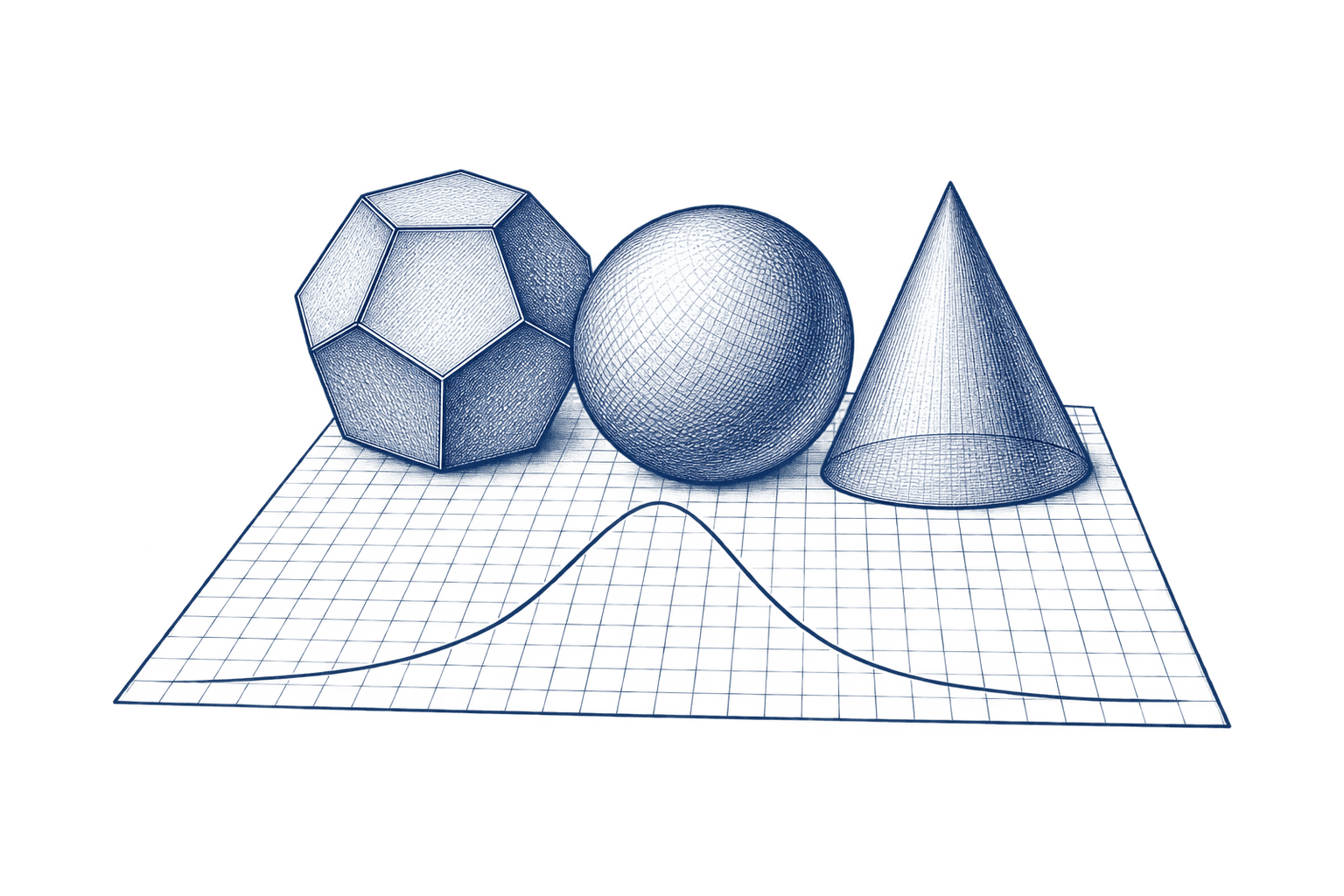
Plate 7 Mathematics & statistics
Pure and applied math, probability, data analysis
Example question: Can a city’s open data predict which bus routes run late?
- 08
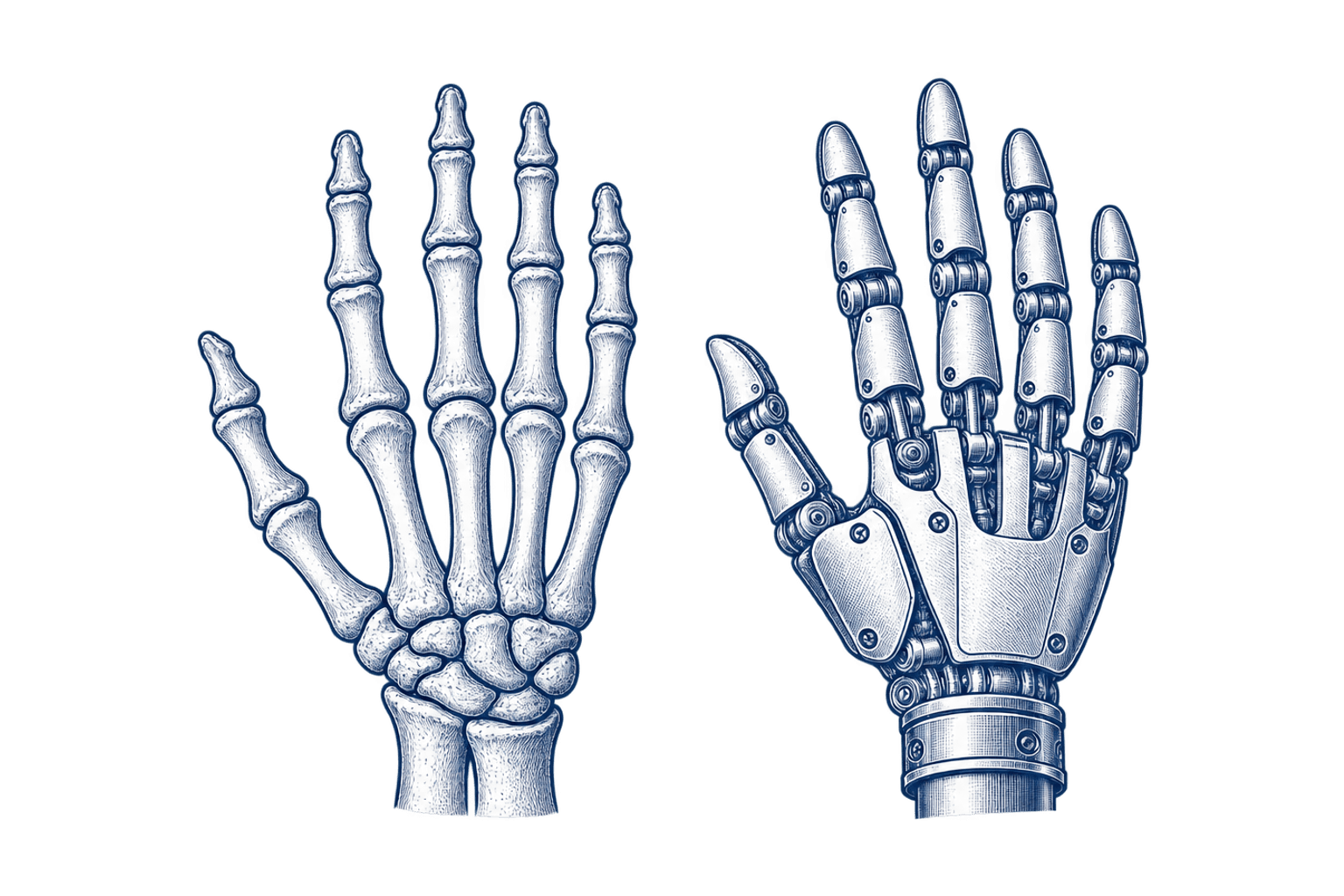
Plate 8 Biomedical engineering
Medical devices, biomechanics, imaging
Example question: How close does a low-cost pulse oximeter get to clinical readings?
- 09
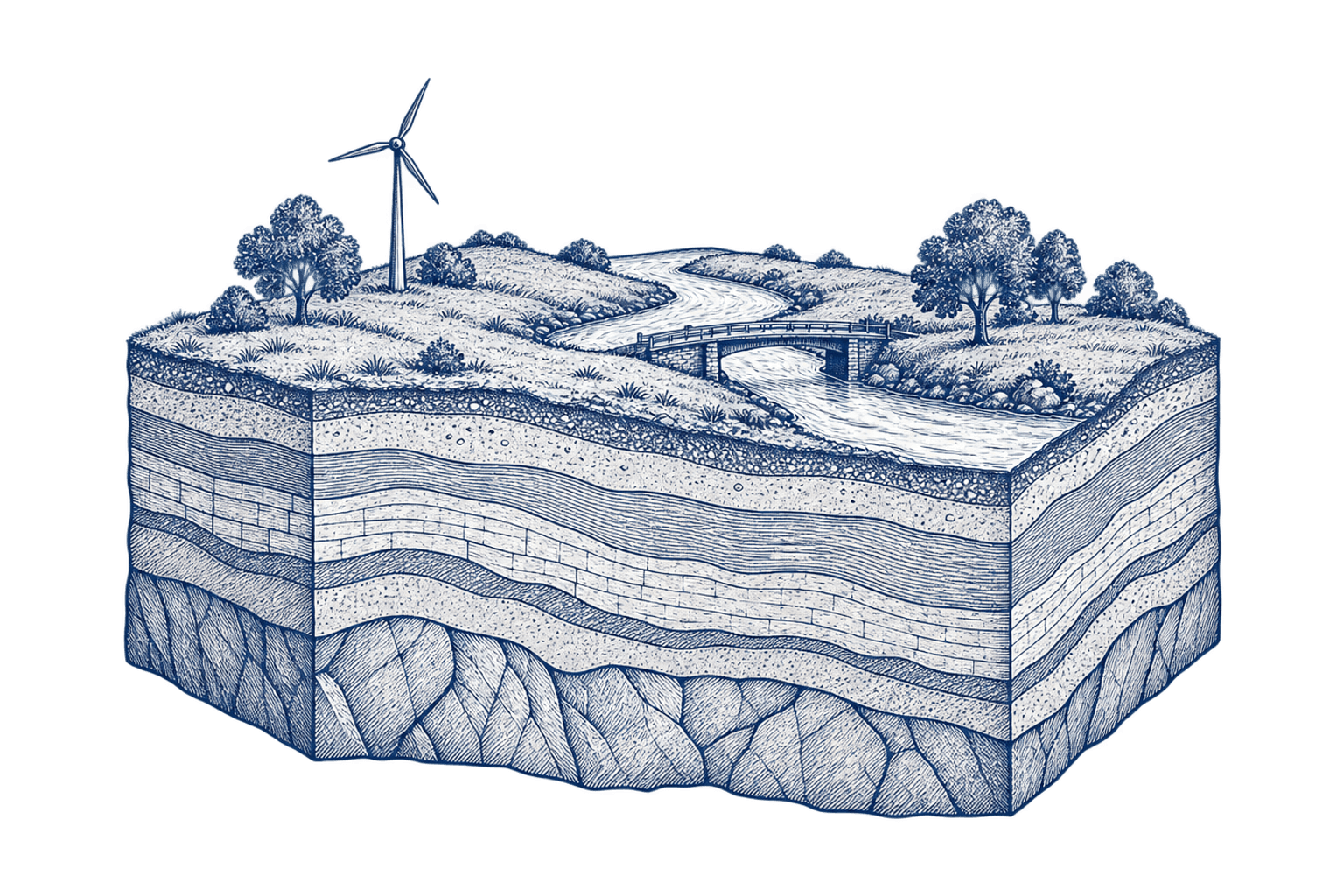
Plate 9 Other STEM fields
Environmental science, chemical and civil engineering, neuroscience, earth science, and more
Example question: How much hotter do paved blocks get than tree-lined ones in summer?
Three kinds of article
Original research
A new question, method, dataset, or result, with experiments or analysis you carried out.
Review article
A rigorous synthesis of existing literature that clarifies where a field stands.
Meta-analysis
A quantitative combination of results across published studies.
Unsure your topic fits? Ask the editors before you submit.
Policies
How we publish
- Review
- Every submission gets an initial check for scope and formatting, then is read in full by reviewers with graduate degrees, who return the revisions needed before acceptance.
- Open access
- Published papers are free for anyone to read, with no paywall and no account required.
- Originality
- Submissions are screened with plagiarism-detection software. Plagiarism, fabricated data, and unethical research practices lead to rejection or retraction.
- Authors keep copyright
- You retain full copyright. On acceptance you grant SJAT a non-exclusive license to publish, archive, and distribute the work.
- Fees
- Submission is free. The publication fee ($225 standard, $350 fast track) is charged only after a paper is accepted.
Contact
Questions? Get in touch.
For submission questions, editorial inquiries, or anything else, email us directly. We read every message.